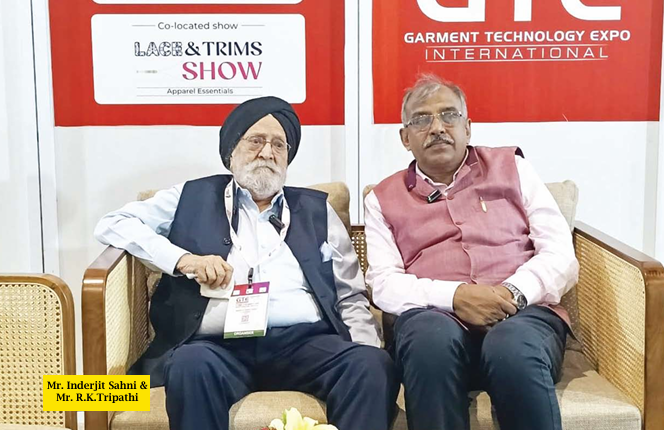
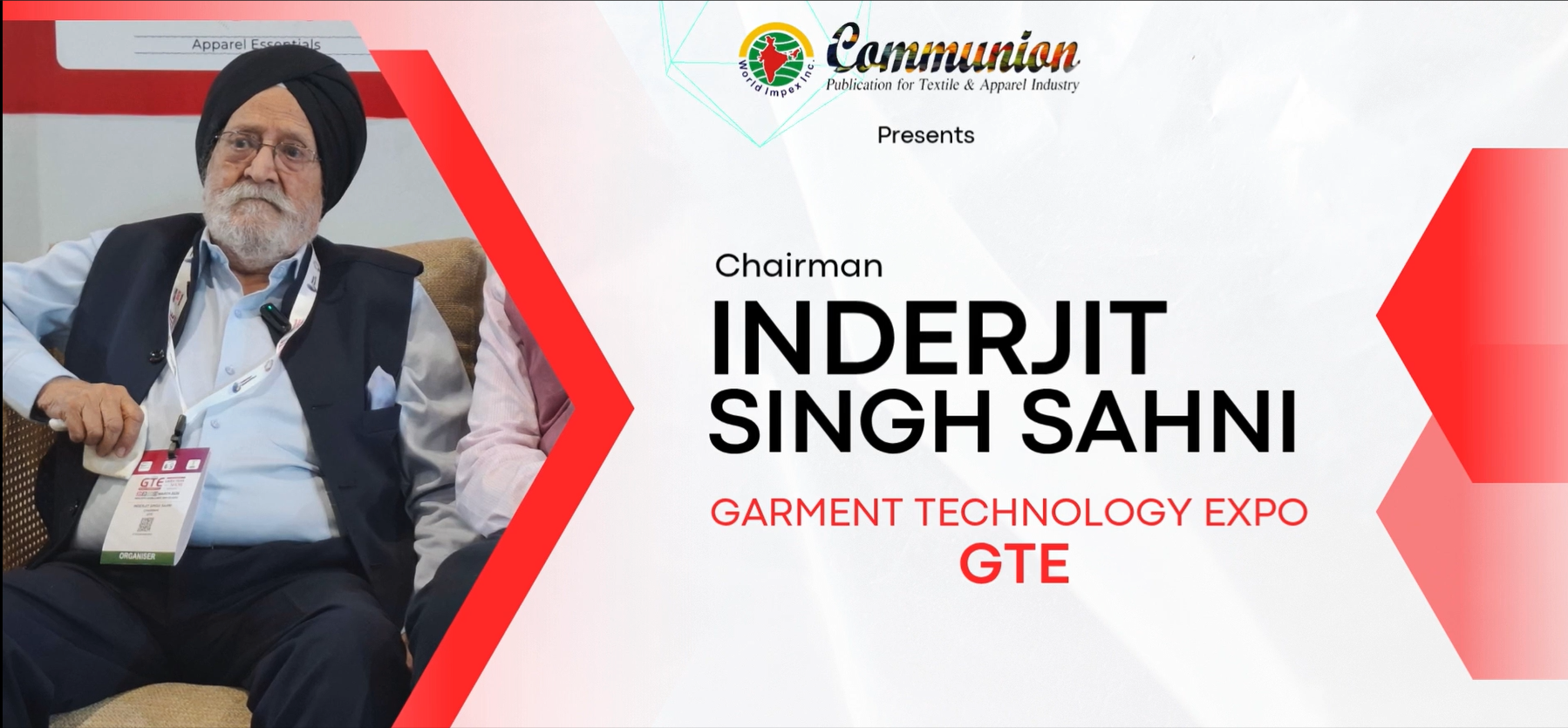
From pre-partition India to global entrepreneurship, Mr. Sahni’s journey spans
industries, geographies, and decades of transformation. Beginning his career in
the tyre industry, navigating international markets across Iran and the Gulf, and
eventually pioneering a successful exhibition platform in India, his story reflects
resilience, adaptability, and an unwavering commitment to trust-based business
practices. In this interaction, he reflects on key turning points, strategic decisions,
and the principles that have shaped his enduring legacy.Your journey spans multiple countries and industries, beginning
with your early days in the tyre sector and an unexpected pivot
in Iran. How did your career unfold during those foundational
years?I was born in Thudiyal, which is now in Pakistan, and came to
Delhi in 1943, where I completed my education at Delhi
Polytechnic. My career began in 1954 with the American company
Firestone Tyre and Rubber Company, where I worked in
Jalandhar and Ahmedabad until 1965. Initially, I planned to
move to Kuwait to start a business, but while waiting for my visa,
a cousin suggested I visit Iran, where we had a large extended
family. I found the environment favourable and decided to
remain there. My first major venture there was in the hospitality
sector. I managed an Indian restaurant for a stall set up by the
Indian Embassy, which led to a contract to run the restaurant and
bar at the Golgan Club, an international club with members from
17 nationalities. Eventually, I transitioned back into tyres when
the Managing Director of Goodrich Tyres. They were impressed
by my background in handling heavy and smooth tyres for
government projects in India and thus, brought me on board. My
work was highly praised by their American head office, and I soon
became the Contractor Sales Manager and, later, a distributor.
After returning to India in the 1990s, you transitioned into
entirely new sectors. What drove these decisions and how did
you rebuild?
When I returned to India in 1990, I had to reassess my position
carefully, as I had incurred heavy losses because my tyre business
in Iran was impacted significantly due to the Gulf War. Given my
limited financial resources, I decided against re-entering the tyre
industry at a smaller scale, as it did not correspond with my
experience or professional aspirations. Instead, I diversified into
the fashion accessories and handicrafts sector, guided by an
international associate. This business operated largely on
trust-based arrangements, where I managed sourcing, pricing,
and supply without rigid contractual structures. I worked with a
wide network of suppliers, particularly in northern India, and
catered to international buyers from France and the United
States. By 1998, I built a thriving export business dealing in over
120 styles of buttons from horn to terracotta to zari and sports
badges, sourcing heavily from Sambhal, UP. It was an entirely
new line of work, but it was built on credibility and trust.
Your foray into organizing exhibitions transformed the
landscape for India’s garment machinery sector.
What was
the vision behind building this platform, and what were the key
challenges?
In 1997, Mr. Zakir, an organizer from Madras, invited me to
participate in his shows, which introduced me to the exhibition
world. I initially participated in exhibitions in cities such as
Chennai and Bangalore in the late 1990s. By 2001, I decided to
host an independent exhibition at Pragati Maidan. It was built entirely on trust; my first two buyers handed me advance
cheques purely based on confidence in my professional
credibility in my past performance. The real turning point,
however, was in 2003 when my late son, Ricky ji, found a
relatively underdeveloped land near Okhla in Delhi and we
decided to organise the exhibition there. At the time, the
location lacked infrastructure, and there was considerable
scepticism within the industry. However, I believed in the
long-term potential of the site. We had to pave the area with tar
to ensure it could withstand heavy machinery. By investing in
infrastructure and ensuring quality execution, we were able to
deliver a successful event that subsequently gained industry
wide recognition. My primary aim has always been to bring the
latest global technology to India’s mid-level manufacturers
under one roof. This reduced dependency on international
travel and enabled wider participation in technological
advancement. Today, 25 years later, I can proudly say we have
succeeded.
You have sustained this legacy for 25 years, even amidst
profound personal tragedies. What core philosophy has guided
you and your family through these times?
I follow the teaching from our Gurbani: ‘Man Jeete, Jag
Jeete’—when you conquer your mind and win someone’s heart,
you have won the whole world. Relationships have been central
to my professional journey. Business, in my view, is sustained
not merely by transactions but by trust and long-term
association. Over the years, I have maintained a consistent
approach by being transparent, delivering on commitments,
and addressing challenges with integrity. My son, Ricky, played
a significant role in expanding and managing the exhibition
business. He was widely respected in the industry for his
dedication and interpersonal approach. His passing was a major
loss, both personally and professionally. During that period, my
daughter-in-law Rathi assumed key responsibilities
and demonstrated considerable strength in sustaining
operations. Just two weeks after his passing, she
stepped up and travelled to China to attend CISMA and
secure exhibition bookings. Second, Mr. Ambrish
Chopra (Director) has major contribution to manage
GTE. The support of my team, many of whom have
been associated with us for a long time, has also been
instrumental in ensuring continuity.
As you look ahead to the upcoming editions and the broader
economic landscape, what are your future plans and your
message to the next generation of Indian entrepreneurs?
We are expanding. We have overwhelming commitments for
our upcoming Bangalore show, and we are adding Calcutta to
the roster for December and January. We are also tying up with
NIFT for trend forecasting and public showcases, which will be
highly beneficial for the industry. As for India, the coming
decade presents significant opportunities for India. We are
perhaps the most patriotic nation in the world; when it comes to
the country, Indians forget their business and political
differences to unite. I saw this deep respect for Indians firsthand
in Iran. To the incredibly advanced and educated coming
generation, my advice would be to remain
straightforward, do not make big promises you cannot
keep, and commit only to what you can deliver.



.png "Bharat tex 2026 14 july to 17 july")

.png)